
bruno bermon-berchi
bruno bermon-berchi
bruno bermon-berchi
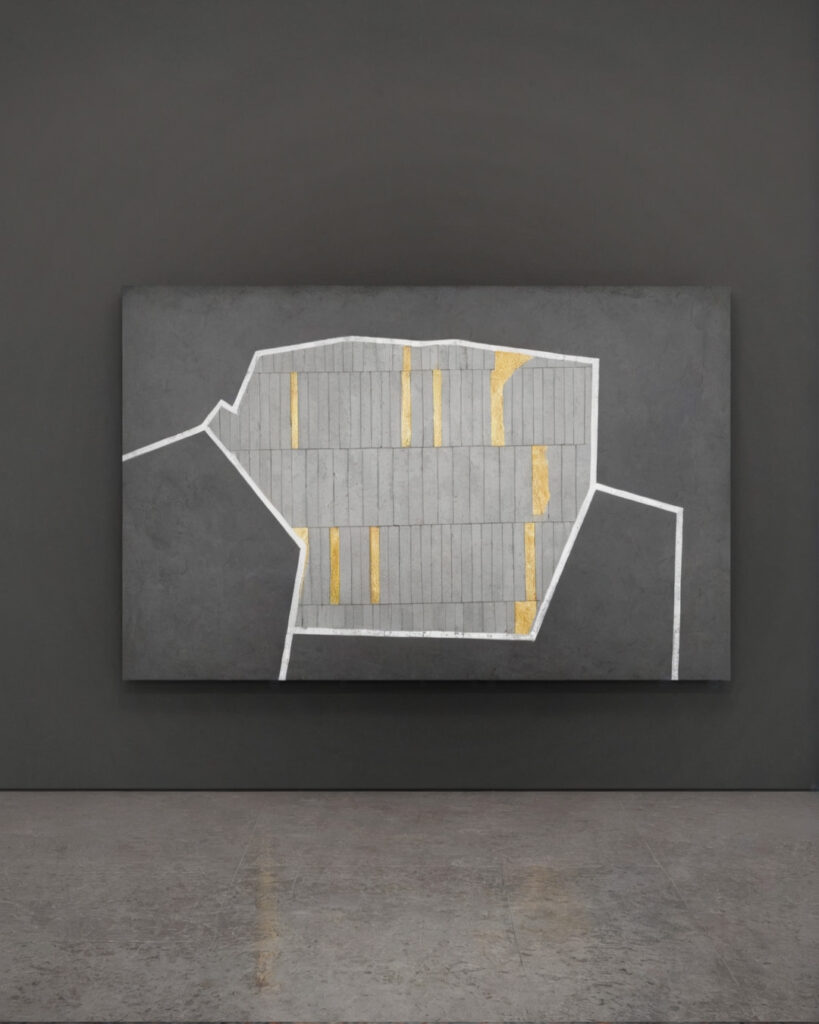
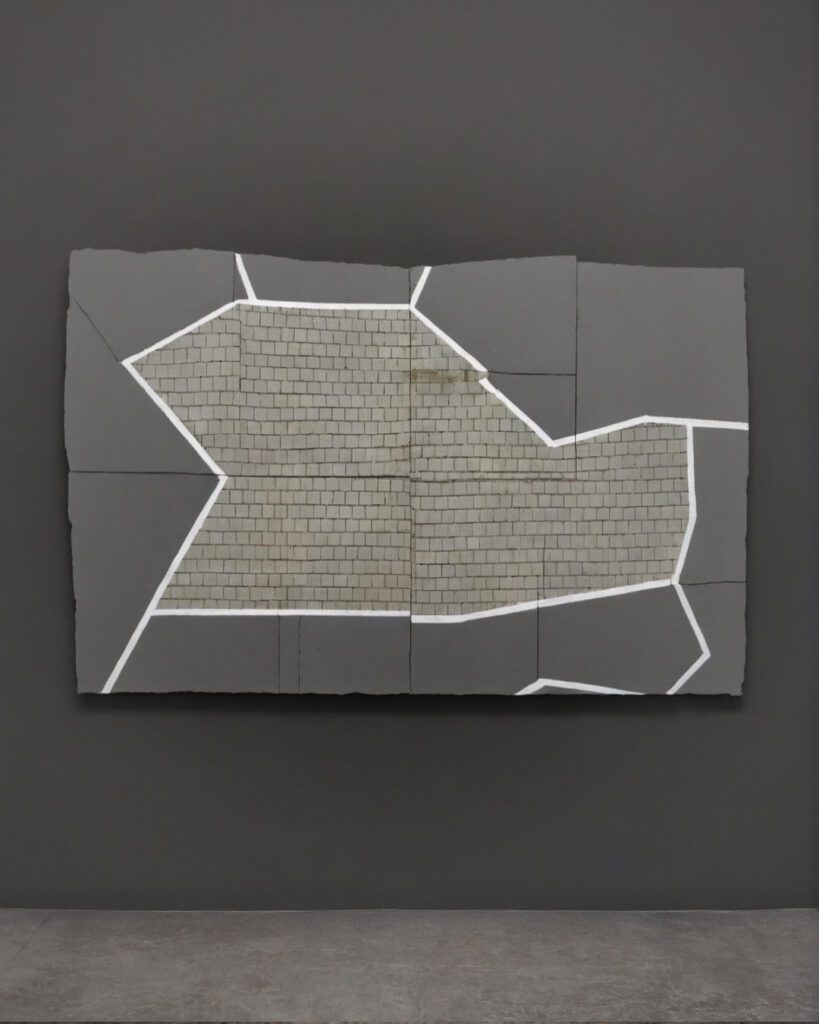
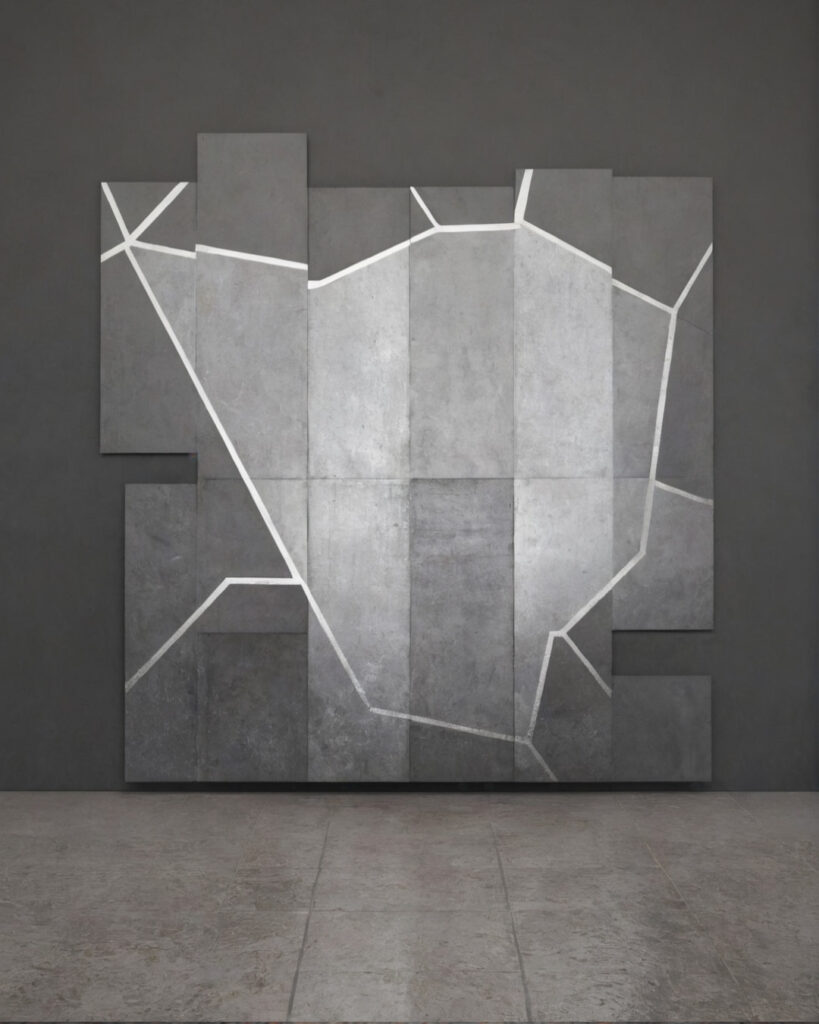
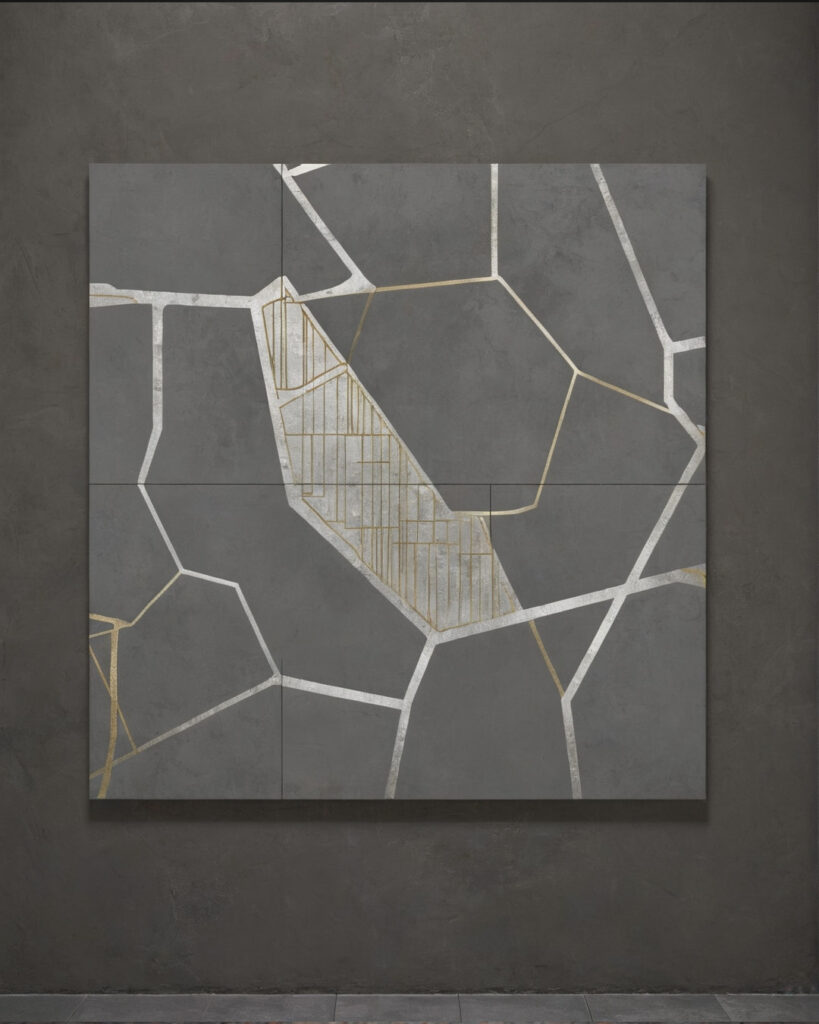
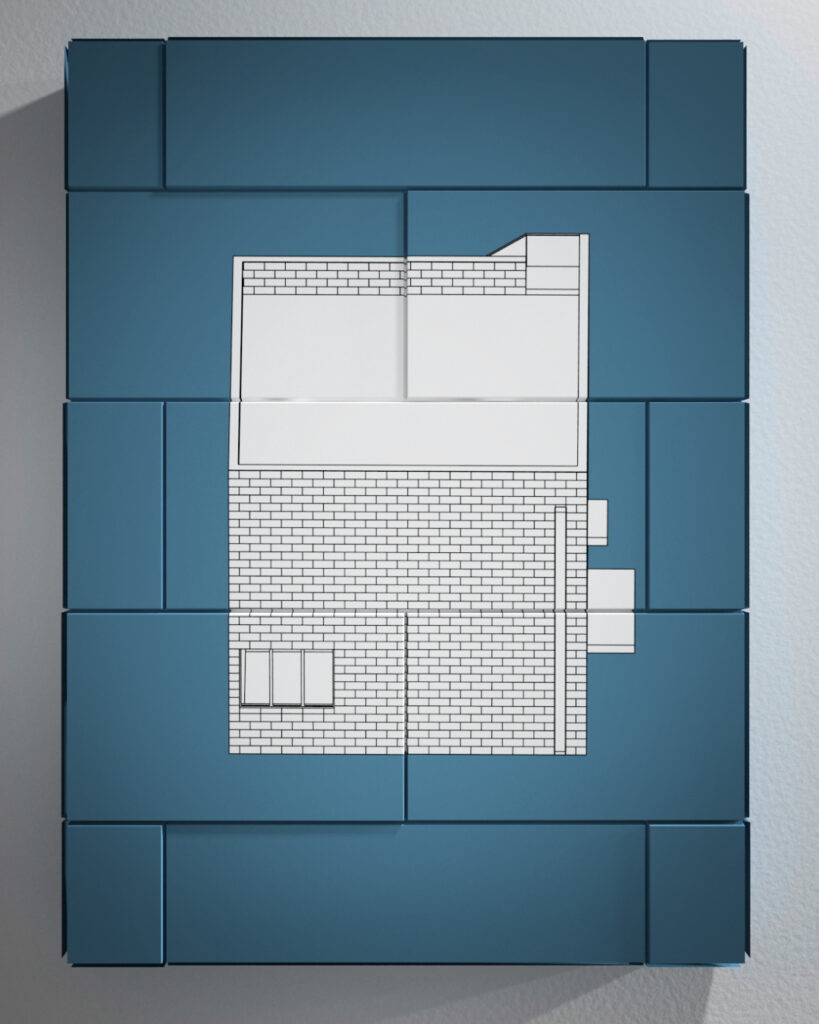
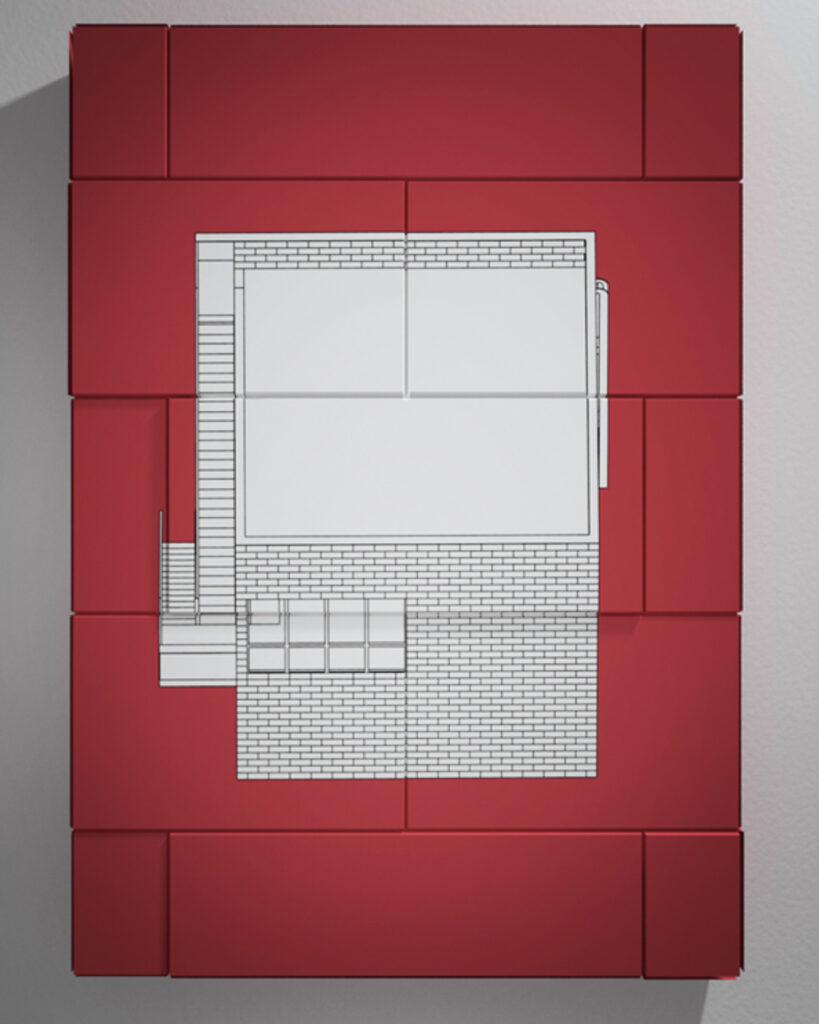
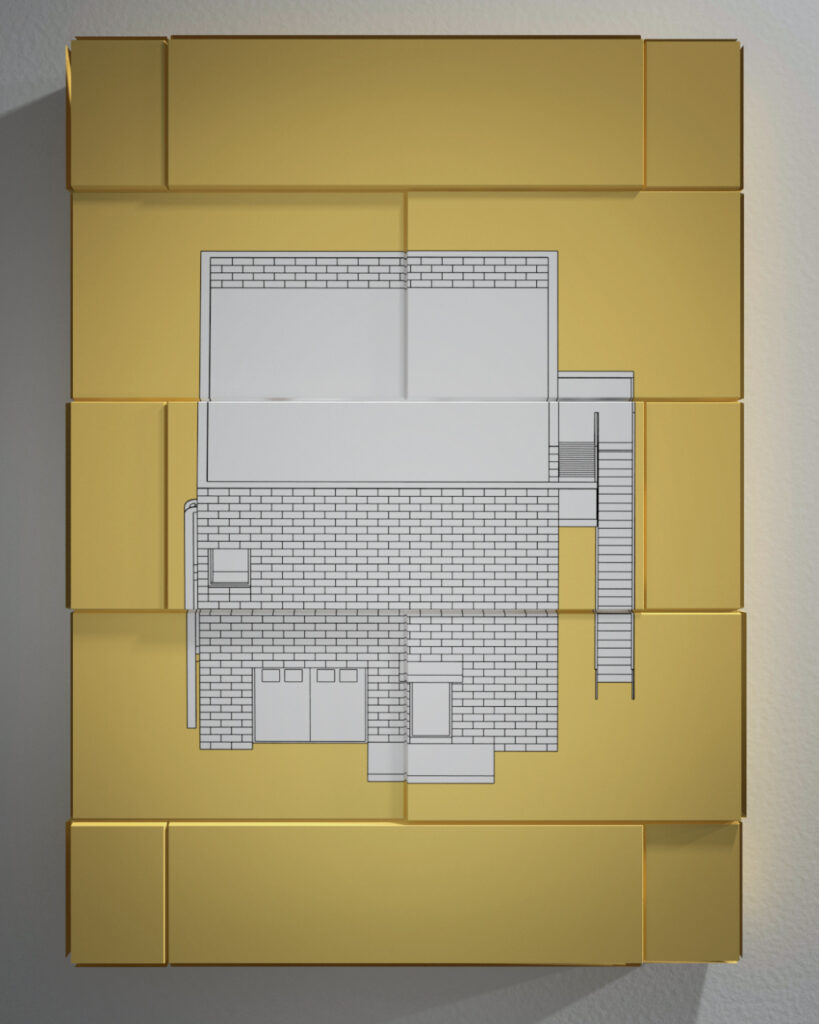









I – Mutation
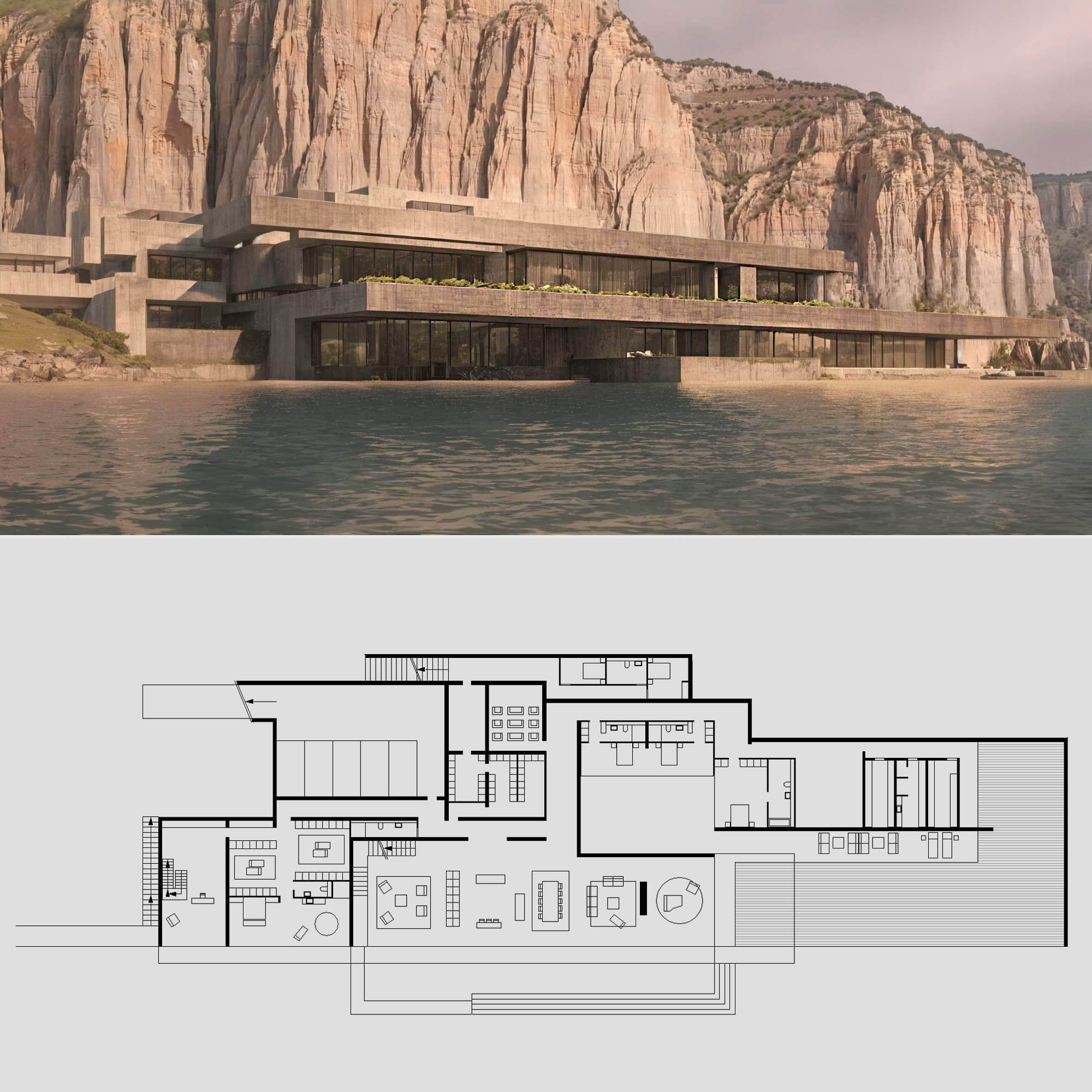
Four architectural proposals explore distinct formal identities for a single mansion residence located on the western shore of Lake Maggiore. Conceived from a unified plan, the project investigates how a consistent spatial organisation can generate radically different architectural expressions through variations of envelope, massing, and tectonic language.
The plan operates as an invariant framework — a rational and autonomous spatial structure independent from its external appearance. Like a body beneath changing layers of skin, the internal layout remains constant while each proposal develops a unique architectural character and relationship to the dramatic lakeside landscape.
This design methodology transforms the house into an exercise in architectural evolution, where façade, structure, and materiality become variables within a continuous process of formal mutation. Monolithic concrete geometries, stratified horizontal volumes, faceted sculptural envelopes, and transparent timber-framed compositions each reinterpret the same domestic programme through contrasting atmospheres and spatial perceptions.
The project ultimately questions the relationship between plan and identity, exploring how architecture can evolve through successive transformations of its outer shell while preserving the integrity of its internal organisation.
bbps


II – Ski Cabin in Iceland
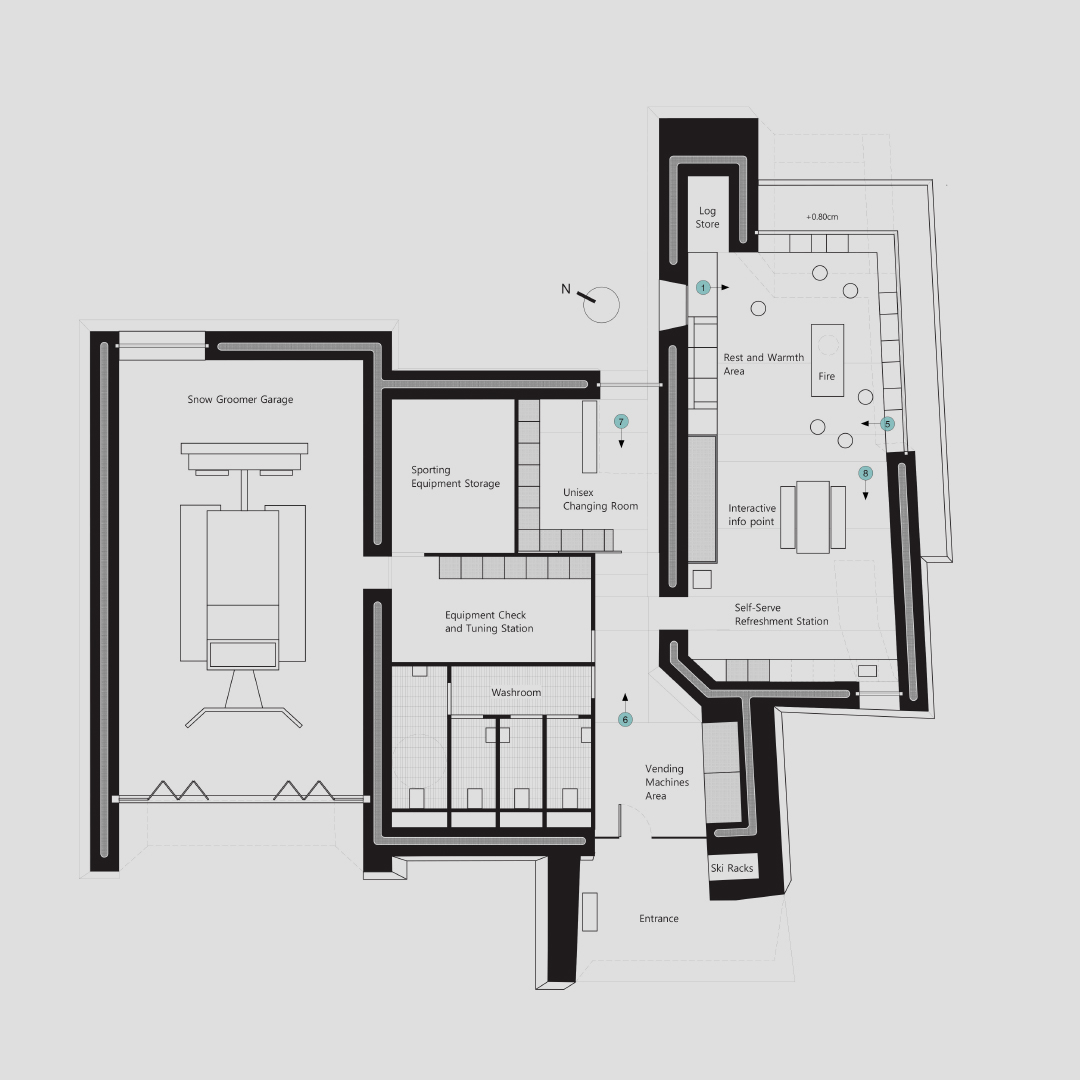
Three monolithic volumes are embedded within the rugged topography, their sculpted geometries responding directly to the volcanic landscape and climatic extremity of the site. The smooth, eroded lines of the architecture echo the surrounding mountains, establishing a dialogue between built form and the raw Icelandic terrain.
Conceived as a resilient alpine refuge near the Krafla Caldera, the cabin serves both as a shelter and a communal facility for the skiing community and visitors exploring the remote slopes. Its compact composition balances protection and openness, framing panoramic views while shielding occupants from the harsh northern environment.
The building is constructed from a double-layered shell of raw, unpolished concrete combined with locally sourced subsoil aggregates. This textured envelope evokes the natural accumulation and stratification of snow, reinforcing the project’s tectonic relationship with its environment while expressing a sense of permanence, weight, and endurance.


III – Monastery in the Alps
Conceived as a solitary landmark within the Alpine landscape, this monastic retreat explores the relationship between isolation, contemplation, and elemental architecture. Rising from the snow as a monolithic concrete tower, the project embraces a brutalist language defined by raw materiality, austere geometries, and an intentional absence of ornament. Its presence appears both archaic and timeless — a silent refuge shaped by the harshness of the mountains and the discipline of monastic life.
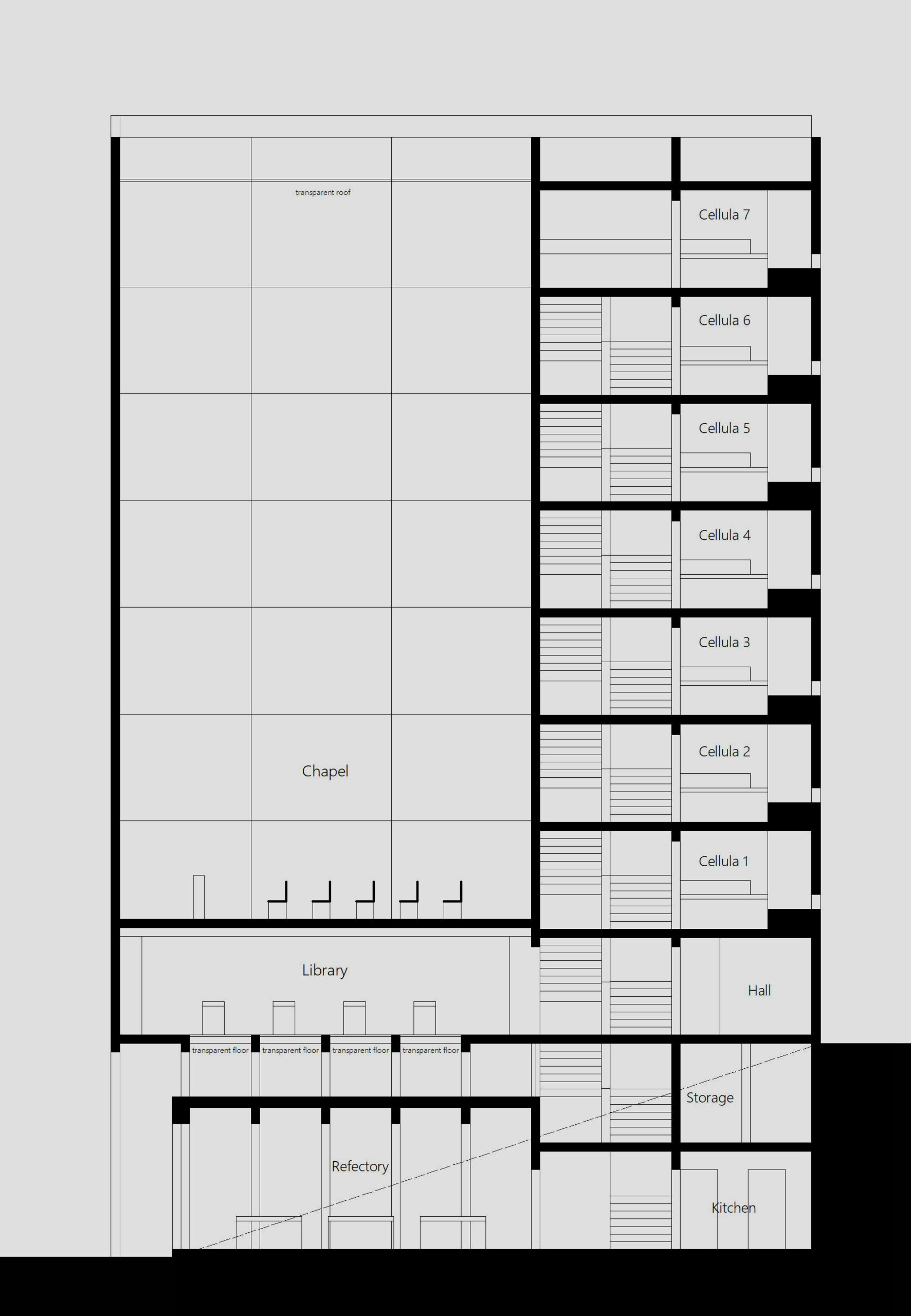
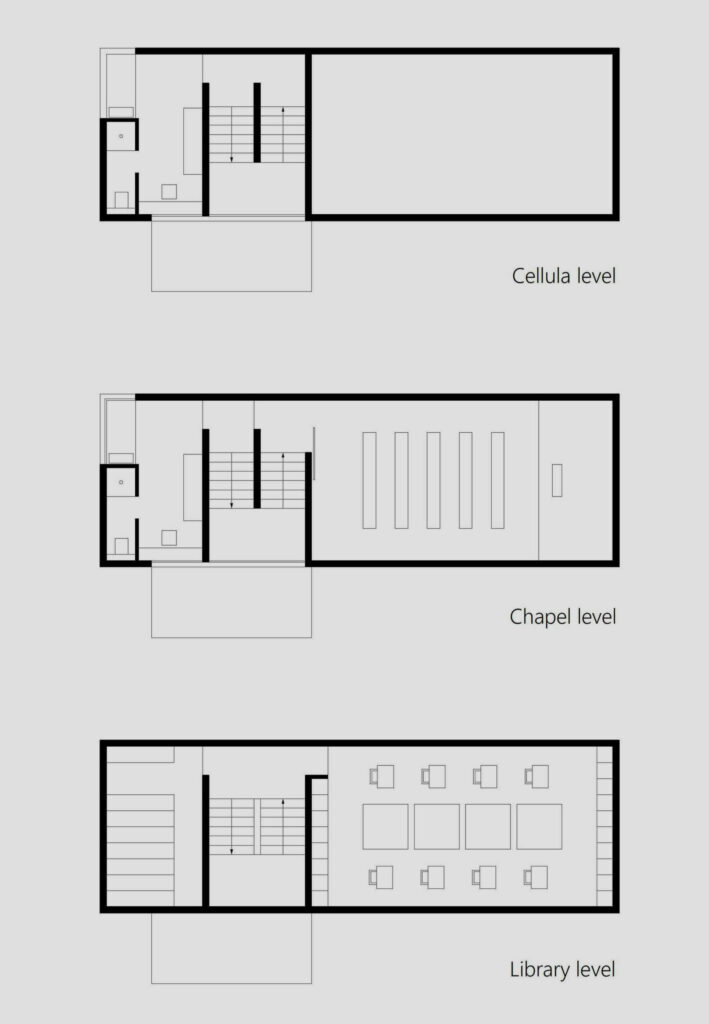
The programme is organised vertically through seven stacked cellular living quarters distributed across seven levels, each designed for a single monk. These compact and ascetic spaces reinforce the notions of solitude, introspection, and withdrawal from the outside world. The tower becomes both a place of habitation and a spatial ritual, where movement upward reflects a gradual separation from the material landscape below.
At the base of the structure, an 18-metre-high chapel forms the spiritual core of the monastery. Naturally illuminated from above, the sacred space is defined by filtered light descending through the concrete volume, creating an atmosphere of silence and transcendence. Adjacent to the entrance level, the library remains entirely enclosed, without direct wall apertures; daylight is instead diffused through a translucent glass floor above, producing a subdued and contemplative environment dedicated to study and reflection.
The lower levels accommodate the communal functions of the monastery, including kitchens, storage spaces, and a refectory shared by monks and visitors. In contrast to the introspective character of the tower, the refectory opens dramatically toward the valley through a large panoramic bay window, establishing a singular visual connection between the interior life of the monastery and the vast Alpine landscape beyond.